Workshop Health and Safety Records: A Practical Starting Point
How automotive workshops can keep useful operational records for hazards, incidents, training and maintenance without turning safety into paperwork only.
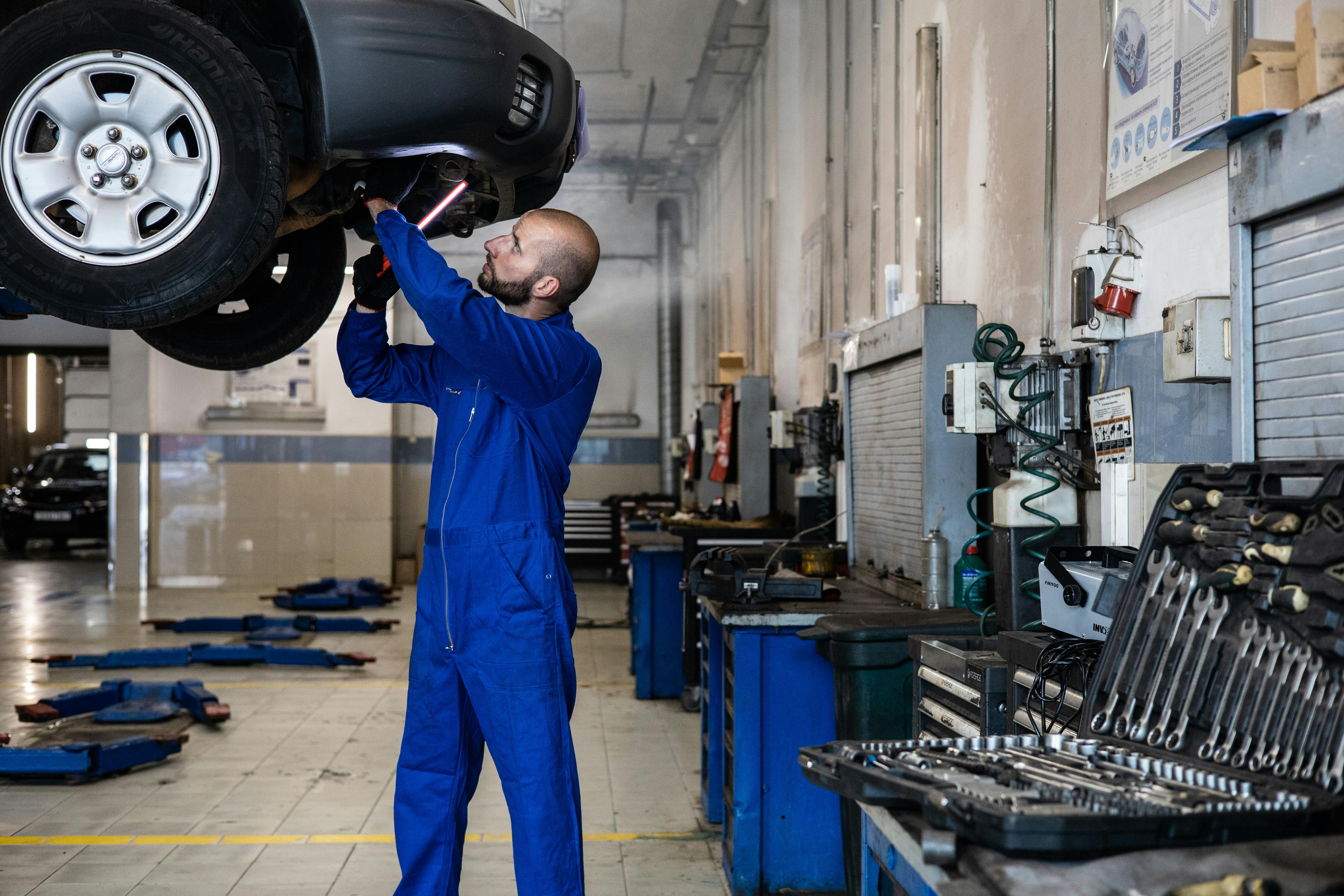
Health and safety records are useful when they support real risk management, not when they exist only as paperwork. Automotive workshops should understand the risks in their own work and keep evidence of the actions taken to manage them.
Start with the actual risks in your workshop
WorkSafe says businesses have a primary duty to protect workers and other people so far as is reasonably practicable. Vehicle repair environments can involve moving vehicles, machinery, hoists, hazardous substances, hot work and other site-specific risks.
Record actions, not just hazards
A hazard list is only the start. Keep records of controls, maintenance, training, inspection findings and follow-up where those records help demonstrate that risks are being managed.
Give collision-repair risks special attention
WorkSafe identifies risks in collision repair including machinery, moving vehicles, flammable materials and hazardous substances. Its guidance emphasises eliminating risks where reasonably possible and otherwise minimising them.
Useful records may include
- Risk and hazard reviews.
- Incident and near-miss records.
- Hoist or equipment servicing records.
- Training and competency records.
- Safety data and hazardous-substance information where relevant.
- Emergency procedure reviews.
Keep safety decisions current
Workshop processes, chemicals, equipment and people change. Review safety controls when work changes rather than treating an old form as permanent proof that the risk is managed.